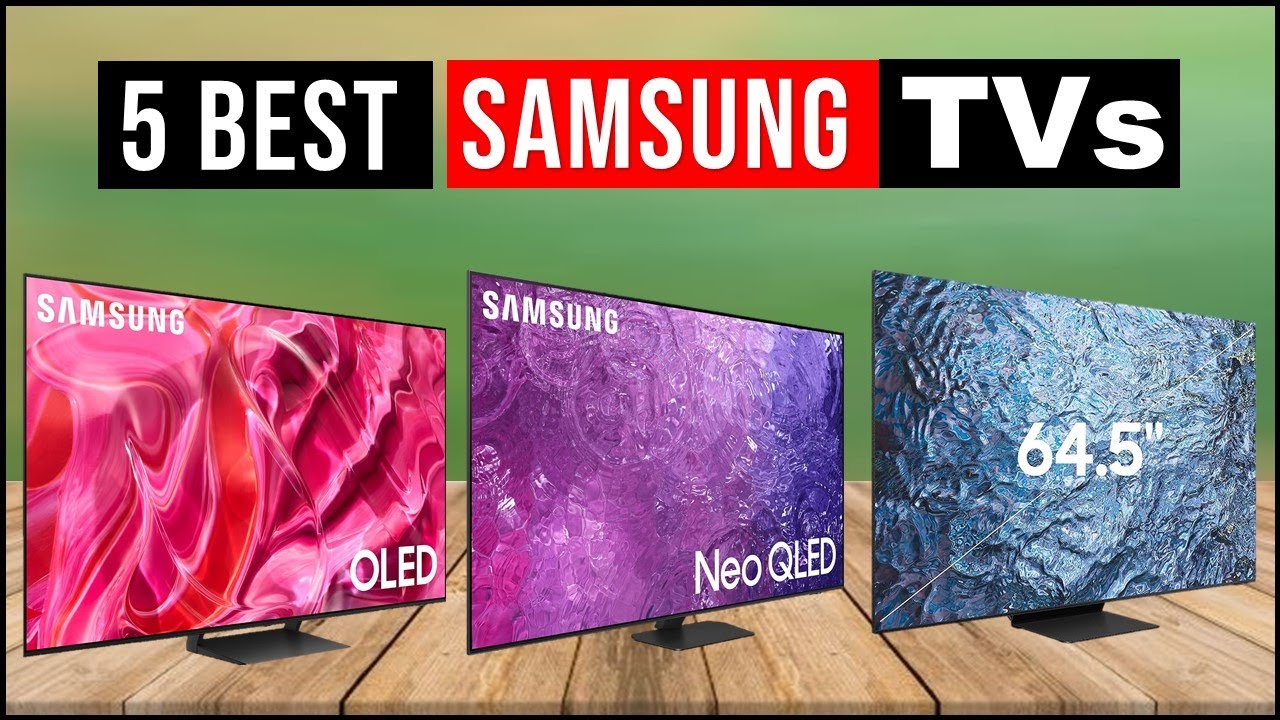
When researching historical pricing for Samsung TVs, many shoppers want one thing: confidence that they’re buying at the right time and getting real value. Samsung remains one of the most competitive brands in the television market, offering premium QLED, Neo QLED, OLED, and Crystal UHD TVs across different price tiers.
Understanding pricing trends is not just for tech enthusiasts — it helps everyday buyers identify genuine discounts, avoid inflated “sale” prices, and plan purchases strategically. In this guide, we’ll analyze pricing patterns, seasonal deal cycles, model lifecycle pricing, and practical buying strategies to help you make informed decisions.
How Samsung TV Pricing Has Evolved Over Time
Samsung TV prices follow predictable patterns influenced by:
- Technology innovation cycles
- New model releases
- Retail competition
- Seasonal sales events
- Panel technology shifts (LED → QLED → Neo QLED → OLED)
Key Historical Pricing Trends
- Initial Premium Pricing
Newly released models typically launch at higher price points due to early demand and new technology features. - Mid-Cycle Discounts
Around 4–8 months after release, retailers begin offering moderate discounts to maintain sales momentum. - End-of-Life Clearance Sales
Significant price drops often occur just before new models launch. - Holiday Price Drops
Black Friday, Cyber Monday, and major sales periods consistently produce historical price lows.
Samsung TV Pricing by Technology Category
Understanding how pricing behaves across different TV categories helps buyers compare value more effectively.
1. Crystal UHD TVs (Entry-Level Value Category)
Pricing Characteristics:
- Lower launch price compared to premium lines.
- Discounts appear earlier in lifecycle.
- Competitive pricing due to high retail competition.
Typical historical trend:
- Launch: Moderate price
- 6 months later: 15–25% discount
- Holiday sales: 30–40% discount potential
Best for:
- Budget-conscious buyers
- Secondary rooms
- Everyday streaming use
2. QLED TVs (Mid-to-Premium Segment)
QLED TVs represent Samsung’s most popular category.
Pricing Patterns:
- Initial premium pricing due to advanced brightness and color performance.
- Gradual reductions throughout the year.
- Deep discounts during major retail events.
Historical observation:
- Prices often drop significantly when newer QLED generations are announced.
3. Neo QLED TVs (High-End Premium Line)
Neo QLED models feature Mini-LED backlighting and command higher prices.
Pricing behavior:
- Slower price drops due to premium positioning.
- Larger discounts appear toward model transitions.
- Strong value during clearance periods.
4. Samsung OLED TVs (Flagship Category)
Samsung’s OLED TVs are positioned at the top end of the market.
Historical pricing trend:
- High launch pricing.
- Limited discounts early.
- Major price reductions occur after competing brands introduce new OLED models or during annual sales.
Best Times of Year to Buy Samsung TVs (Based on Historical Pricing)
Analyzing past pricing cycles reveals consistent patterns.
Major Deal Seasons
✅ Black Friday and Cyber Monday
- Historically the lowest prices.
- Retailers compete aggressively.
- Older models often heavily discounted.
✅ Pre-Super Bowl Sales (January–February)
- Strong discounts on larger screen sizes.
- High demand for sports viewing.
✅ Spring Model Transition (March–May)
- Clearance sales for previous-year models.
- Excellent opportunity for premium TVs at reduced prices.
✅ Back-to-School and Mid-Year Sales
- Moderate discounts on mid-range models.
Historical Price Drop Timeline (Typical Example)
| Time After Release | Typical Pricing Behavior | Buyer Strategy |
|---|---|---|
| Launch Month | Highest price | Wait unless early adopter |
| 3–4 Months | Small discounts | Watch for coupons |
| 6–8 Months | Noticeable reductions | Good buying window |
| 10–12 Months | Clearance pricing | Best value opportunity |
Factors That Influence Samsung TV Price Changes
Understanding these variables helps predict future discounts.
1. Screen Size
Larger TVs often see bigger absolute price drops but smaller percentage reductions initially.
2. Technology Upgrades
New features like:
- Mini-LED backlighting
- AI upscaling processors
- Gaming refresh rates
can affect pricing stability.
3. Retailer Competition
Prices vary across:
- Electronics marketplaces
- Online retailers
- Seasonal promotions
4. Inventory Levels
Overstock situations historically lead to faster price reductions.
Pros and Cons of Waiting for Price Drops
✅ Advantages
- Potential for significant savings.
- Access to premium models at mid-range pricing.
- Bundled offers (soundbars, extended warranties).
❌ Disadvantages
- Popular sizes may sell out.
- Limited color or configuration options.
- Newer technology releases may shift market value.
How to Track Historical Samsung TV Pricing
Smart buyers use multiple strategies:
- Compare pricing history tools.
- Monitor price alerts.
- Track retailer newsletters.
- Review past sale calendars.
Tips:
- Avoid judging discounts solely by percentage claims.
- Compare against historical average price instead of MSRP.
Buying Guide: Choosing the Right Samsung TV Based on Price History
Budget Buyers
Focus on:
- Crystal UHD or older QLED models.
- Previous-year releases.
Mid-Range Buyers
Look for:
- QLED during mid-cycle discounts.
- Clearance sales during model transitions.
Premium Buyers
Best strategy:
- Buy Neo QLED or OLED during holiday sales or spring clearance periods.
Frequently Asked Questions (FAQs)
1. Do Samsung TVs drop in price quickly?
Most models see gradual price reductions starting 3–6 months after release, with significant drops around annual sales events.
2. Are Black Friday deals historically the cheapest?
In many cases, yes — especially for previous-generation models and larger screen sizes.
3. Is it better to buy last year’s Samsung TV model?
Often yes. Previous-year models typically offer excellent value once newer versions are released.
4. How can I tell if a Samsung TV deal is genuine?
Compare current pricing with historical averages rather than relying on discount percentages.
5. Does screen size affect historical pricing trends?
Yes. Larger models tend to hold value longer but see larger price drops during clearance sales.
Conclusion: Smart Strategies Based on Historical Pricing
Understanding historical pricing for Samsung TVs allows buyers to move beyond marketing claims and make informed decisions. Instead of purchasing based on impulse or flashy discount labels, analyzing model cycles, seasonal sales patterns, and technology trends helps you identify true value.
The smartest approach combines patience with timing: monitor price trends, understand model lifecycles, and align your purchase with major sales windows. Whether you’re buying a budget-friendly Crystal UHD TV or a premium Neo QLED or OLED model, historical pricing insights can help you maximize both quality and savings.